Short films
- They were previously called 'short subjects'.
- The length of a short film can vary from 15 seconds to 45 minutes.
- Short film is not a genre description or category but a generic term used since the beginnings of cinema to describe all forms and genres of film. Short film preserves the diversity of cinema.
- It provides an opportunity to be innovative both formally and technically. Therefore, it has the potential to influence and change the mainstream film industry.
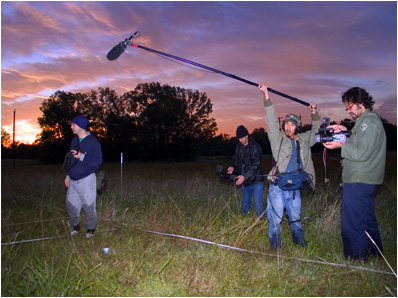

In the early period of short film making, their genres were mostly comedy but also travel documentary. More recently short film themes have become more diverse, usually ones that feature films do not choose. There is more freedom and creativity in short films.
Usually short films show the complexities of life on every imaginable form. It has both black and white, hand coloured films, documentaries, fiction, experimental, animation, drama, slapstick and thriller/horror. It is also used for advertisements and educational films.

Most film makers choose short films because of the economic independence and creative freedom. They are also less pressured from industry giants. There is less effort and cost, less economic pressure and financial risks.

There are awards that Short film producers can be nominated for such as BAFTAs and Oscars.
History of short films
Most of the early films in the Victorian era imitated other forms of entertainment illustrations and variety acts.
 Short films in the United States began around 1910. This was the era when competition increased in the film industry and audiences had higher expectations to make films longer. The theme of these films were mostly comedy but also travel documentary. DW Griffith produced The Birth of a nation in 1915 which dealt with the controversial Ku Klux Klan and was classed the first feature film. However, directors from other places in Europe and the US may have pipped him to the post. These 'features' were more respected than short films. The audience preferred seeing features rather than going to the opera or theatre. However, when seeing a feature, two or more short films were shown as well.
Pre 1920s, British films were in the 'Silent era'. Their genres were natural history, adventure and drama.
Visual artists began using short films from the early 20s. Including the iconic 'eyeball slicing' Un Chien Andalou (1929) by Bunuel and Dali.
This film surprisingly had a variety of shots used from extreme close up to point-of-view shots. However, the editing used is in the form of jump cuts, therefore the film does not flow through the narrative. However, they do use black outs and transitions later on. the genre of This film could be classed as a surrealist silent art film.
This film surprisingly had a variety of shots used from extreme close up to point-of-view shots. However, the editing used is in the form of jump cuts, therefore the film does not flow through the narrative. However, they do use black outs and transitions later on. the genre of This film could be classed as a surrealist silent art film.

In 1935, Laurel and Hardy became full length features.
During WW2, short films took on other roles as propaganda. The ones that showed British service men actively fighting in the war were most popular. Around this time also, Walt Disney and Warner Brothers were creating shorts.
Through the 50s and 60s, short films became less and less popular. They were shown prior to the feature and it was a chance for people to pop to the toilet or get popcorn. Furthermore, the rise of television became short film's rival. Television programming included broadcasting short films which had been sold to the TV companies. By the late 60s, short films were said to have disappeared. The Three Stooges in 1959 was said to be the last major short film series. The Three Stooges was an American slapstick comedy series. The editing used was very basic with having a long duration on one shot. This is quite regimental editing rather than smooth, unnoticable editing. Also, there is not a variety of different shots such as extreme close up. Furthermore, hardly any camera movement such as dolly, track or pan.
Short cartoons had a longer life but due to limited animation techniques and equipment, Warner Brothers shut their studio in 1969. Woody Woodpecker was the last of the 'Golden era' of cartoons to end in 1972. The Pink Panther was the last regular short cartoon series which ended in 1980.

Cartoons started to rise again in the 80s.

When MTV was created in 1981, short film makers were given a different pathway by giving narrative to the rhythm of music. The short cut editing changed the way audiences consume films.
In 1984, Pixar started out with short films before animated features. It wasn't until their 2nd feature length film – A Bugs Life where they started doing short films alongside their features either before or after. Most of their short films were produced prior to the release of the features such as Finding Nemo. Both Warner Brothers and Dream-works did this too.
In the 90s, short film making became more affordable due to technology especially digitalisation. This increased the amount of independent films.
Recently the biggest demand for creating short films is from the internet, especially sites like You-tube. However, with films being on YouTube, critics believe that these films uploaded by users are of less quality because they are shot by amatures in bedrooms rather than using cinematographic skills presented previously. Cynics would suggest that this has decreased the value of short films. Although, some avid film makers make their way into the industry by being found online.

Short films are suited to the internet and has become increasing popular. Also, shares on social networks such as Face-book and Twitter have help increase views, followers and viral advertising. Nevertheless, the film producers have to work hard for their film to be noticed by others because of the competition worldwide and other distractions of the Internet.

Audience theory and expectations of Short films
Hypodermic Needle Theory
Relationship usually with violence and children. Moral panics are fuelled by these claims. I.e. - Child's Play 3 influenced two boys convicted with the Jamie Bulger murder.
Theorists agreeing with Hypodermic needle theory (specifically with film)
Payne (1930s)- Children watching too much cinema suffered from sleep deprivation and tend to become delinquent.
Theorists against the Hypodermic needle theory
David Gauntlett (2007)- Published '10 things wrong with media effects model'. Developed new methods explore possible media influences using creative approaches to show metaphors e.g.- participants creates collages, Lego models and drawings.
Relating to film: The theory was created by looking at WW1 and 2 propaganda specifically American. Other persuasive films were studied too. Messages represented in film become injected into a person’s brain.
Most recently, we have seen films that are claimed to have influenced murders and controversy. In the last month, we have seen the American sitcom using a pastiche of Muslim beliefs- particularly Muhammad. This has caused riots in the Middle East. In Libya, they have killed the US ambassador for the area.
In Summer 2012, the new Batman film- The Dark Knight Rises hit the US screens as well as our own. However, in Colorado, a armed ma, dressed as the Joker, shot 14 and injured 10. It was said that he was influenced by the film and the brutal character Bane who occupied Gotham City.
Two Step Flow
Paul Lazerfield (1940)- Opinion leaders played a key role in communications in media. They filtered media messages. MEDIUM- OPINION LEADER- AUDIENCE.
He also found that personal contacts were more influential than the media.
Opinion leaders used media more, more socially active and shared same social status.
Both of these theories above suggest audience are passive, like sponges, soaking up media texts without selection and rejection. However, two step flow portrays audience as 'semi- active' as it implies some action of the audience. Watson and Hill suggest that there is a 'process of interpretation' through media messages which presents audiences as 'interactive and responsive individuals'.
Relating to film: Governing bodies of film such as BBFC interpret content to create age restrictions therefore, theoretically limiting audience consumption. Also, Parents could interpret a film differently to a child and believe it to be inappropriate to watch.
Blumer and Katz Uses and Gratifications model
This model represents audiences as 'active' users who are capable of selecting and rejecting media to gratify certain needs.
This reinforces personal identity by comparing own roles and values.
Seek companionship and interaction with others.
Information on many levels. (Surveillance)
Entertainment and diversion.
Relating to film: People watch films to be distracted or to be relaxed, I.e.- escapism. Companionship with others is received through recommendations, Award winning films and famous actors/actresses featured in new films. People use film to relate to characters possibly life experiences or relationships. Documentary films give information to audience however, awards pinpoint which films are better to watch than others, therefore giving information to the consumer.
Media involvement
Primary- Completely consumed by watching film/TV. I.e.- intended task
Secondary- Completing a task whilst watching/half listening.
Tertiary- Medium is background such as radio.
Encoding and decoding model
Stuart Hall and David Morley- Audiences have different responses to media messages. They are influenced by their social class/gender/age/ ethnicity/occupation etc...
Encoded to present a Preferred reading- does not necessarily accept it.
Dominant (agree with preferred reading presented)
Negotiated (mostly agree)
Oppositional (against)
Relating to film: Representations of social groups in film and how different consumers react to it.
Reception Theory
'Reception theory is a philosophy about the arts that recognises the audience as an essential element in the creative process.'
This theory was developed in the 1960s and peaked in the 70s and 80s. This was first used for literary works but now for film and sculptures. This is the relationship between the media content and the audience. Media texts are constructed using codes and conventions (called semiology). This semiology makes the audience be positioned by the text.
Relating to film, the structure positions the audience in a POV. The viewer follows or is immersed in the narrative by the camera. Good examples are shot-reverse-shots between characters and glance-object-shot. The audience is situated between characters or between an object and a character. This technique is called 'suture' meaning to sewn or stitched (meaning the audience is sewn into narrative).
Film theory- 4 levels of meaning and interpretation
- Referential content- The synopsis of the film. Things that happen in the plot or are implied.
- Explicit content- The meaning or moral of the story. Sometimes the socio-political approach the director portrays through the characters.
- Implicit content- The journey of the characters how they change/grow throughout the film. It is also the issues and ideas around the relationships between characters. This might be less obvious as different viewers interpret differently.
- Symptomatic interpretation- The social, cultural and historical context. Or possibly the creator's personal experience. This recognises symbolic content and identifying metaphors through situations the characters are in.
Genre theory
Genre theory is used to categorise films. Genre is dependent on variety of factors including storyline, director, audience expectations and many more. This is used also as a method of shortening academic works. For different genres audiences expect certain content or style of film making. Important strands of genre theory; Audience(knowing whom the intended audience are), Time period (which period the film was made I.e.- looking at technology such as lighting or editing which can be seen through the rhythm and pace). Genre theory also aids marketing for the producers and audience and suggests which films certain people are likely to see.
Genre theory also presents an ideological level such as offering reassurance and showing the complexities of life.
It also is used to show culture such as myths and fears through repetition, innovation and resolution.
There is a constant renegotiation between the industry and the audience because of familiarity and wanting the unexpected. (Relates to clichés)
Disadvantages with genre theory
If all films were exactly the same, genre theory would be easy to study. Genre is far more complicated such as although they may have similarities in most aspects two films could be very different. It creates the need for genre theory to keep updating due to technology, audience and politics.
If all films were exactly the same, genre theory would be easy to study. Genre is far more complicated such as although they may have similarities in most aspects two films could be very different. It creates the need for genre theory to keep updating due to technology, audience and politics.
Apparatus film theory
Dominant in 70s, derived from Marxist, psychoanalysis and semiotics.
It is a model of the spectator-ship and the institutions. It argues that film is ideological because it is meant to represent reality. Everything from the camera work to editing has a meaning. It’s part of nature and how us human beings think. Representation= mechanics of the film. Also shows how the position/perspective of the audience is also ideological. For example – the darkness of cinemas have ideological effects.
It is a model of the spectator-ship and the institutions. It argues that film is ideological because it is meant to represent reality. Everything from the camera work to editing has a meaning. It’s part of nature and how us human beings think. Representation= mechanics of the film. Also shows how the position/perspective of the audience is also ideological. For example – the darkness of cinemas have ideological effects.
Analysis of existing material
Short Films
Short Films
- The View
Director: Neil Neenan
Duration: 3mins 54 seconds
Non Diegetic Sound used through a voice over reciting a poem. This suggests that the atmosphere the audience is positioned in is very personal and quite intimate, this is also accentuated by the pace and tone of the man's voice. Throughout the short film there is no diegetic sound through characters only sound effects. This shows the Director’s intention is to create an intimate relationship between the audience and the poet’s feelings/imagination. According to the Reception Theory, this positions the audience in a third person point of view but they are still attached to this narrator as much as they would be if the film was in first person perspective because of the intimacy conveyed.


A close up is used to show the significance of her ring on her hand- an addition that symbolises eternity. Focus pulls are also used to show elderly people in foreground and a younger couple in the background. The elderly lady is showing her engagement ring and the young couple are walking. This suggests that the young couple are on the pathway of their relationship heading towards that stage. It could also suggest that the young people may become the elderly lovers in the future. As a result, Neenan intends to show the diversity of relationships which are possibly linked by projection into the future as well as the common place.


Cross cut is added by the use of an extreme close up. The young man leaves his whisky flask on the floor which the next man on the bench picks up. This could connote the rising trends of alcoholism in the UK. However, it could suggest people need comfort in times of stress and depression. Evidently, this suggests that Neenan wants to exaggerate the connection all of these different people have similar problems and share one common ground- The View.
 Slow motion through a close up is used to show the paperwork flying from the man's hands. This shows his hard work, that he should be proud of. The slow motion suggests he is letting go of his years he has had at his workplace, all the effort and time just turned to dust in a split second. It also shows that he has become a blank piece of paper- with no purpose in life, nowhere to turn to, no inspiration. Therefore, Neenan intends to show that this reflects a lot of people who have been fired/made redundant by the Recession.
 Long shot shows the stag trying to reach the mobile phone left behind for help. This establishes his struggle and torment. With his outfit and dependency he becomes a child again, helpless and unaided in life. As a result, the Director intends to portray his position and possibly letting himself be tied to married life as well as literally to the bench. The struggle may suggest the future turns in their relationship.
 Establishing shot of 'The View' from behind two children on the bench. This is used last to subvert usual cinematography where the establishing shot is shown first. However, it gives a sense of anticipation that all these other characters are used to this local beauty whereas we have to experience it through their eyes before we see it for ourselves. Thus, the Director intends to show The View last to tie up the community to the breath-taking view of the sea which can be seen as reflective and tranquil. This is possibly escapism for their hectic lives. Applying the Blumer and Katz's Uses and Gratifications model, the audience views this short film to escape from everyday life much like the characters are doing watching the sea. Furthermore, the audience members who have been through the experiences shown throughout this clip see them self in this medium and are empathetic towards the characters.
- Barry
Director: John Mitchell
Duration: 3 mins 26 seconds
Long shot used of a young girl and a pushchair. This conveys happiness and innocence. However, there is a distinct contrast between the left and right side of the shot. The left side is in the light and frames the beauty of the image such as flowers and the girl. However, the right side is in the shade and frames a skip, suggesting she does not live in a nice area but somehow she is content, possibly because she is naïve and full of imagination. Consequently, the director intends to show the contrast of her innocence and colour compared with the council estate area.
Several medium shots are shown and pieced together by a jump cut. These shots are in black and white and depict 'stereotypical' friends i.e. - human and human. The colour difference may suggest that they are not related to the young girl and is just showing examples of best friends and what they do such as the two boys with a football in a garage. Hence, the director intends to show the diversity of friendship.
An overhead shot shows her having a picnic with her bunny. This establishes that she is by herself, secluded in the field. This also connotes that she maybe an only child, playing by herself and doting on her rabbit. Furthermore, accentuates her imagination and childhood such as having 'teddy-bear-picnics' and 'tea-parties'. Thus, Mitchell intends to show ‘her’ world that no one else is allowed to enter.
Point of view shot to the sky. This shot signifies wonder and creativity. It also conveys her imagination more so as all children look up to the sky to try and pin-point different shapes they can see in the clouds. Moreover, this could have religious connotations such as believing in heaven or God. As a result, the director involves the audience as they would have experienced this moment of reflection before in their lives.
Extreme close ups are used in the form of focus pulls from her face to Barry's. This shows the love and admiration she has for her pet as well as spending quality time together. It also shows that they are part of a family or 'double-act'. Therefore, the director intends to show the partnership between her and her pet, attempting to make the audience remember their favourite, first pet.
A long shot to mid shot zoom is used to show her dad leaning out of the door frame and then feeding her mother. This establishes their domestic situation and reality of her life. This shows that possibly the young girl's mother is kept indoors most of the time because of her disability. This is shown by the father walking back into the room revealing the mother's condition. The zoom amplifies their home situation. Hence, Mitchell intends to portray how disability is hidden away from public eye due to humiliation or unwanted attention. According to Hall and Morley's Encoding and Decoding model, audiences would have a different opinion of this camera movement used. A social group who are affected by or care for ones who are disabled relate more to their situation however, a another opinion who take an oppositional view would suggest that the young girl's mother should not be kept indoors unless it is necessary. Feminists would take another oppositional reading that the woman is dependent on the man constantly and has no independence, not just because of her disability but because she is a woman. However, the young girl has that independence which could relate to contemporary society.
Compare and contrast
Both short films use a voice over however, in The View, the speaker is a narrator and presuming not one of the individuals who sit on the bench. In the film, Barry, the little girl is narrating; she is both the character and the narrator.
Both films use natural lighting as they are both set outdoors, nevertheless, In Barry, the audience is shown their life at home which also used natural light. This natural light makes the corridoor look constricted but also comforting.
The settings are poles apart, although both predominantly shot outdoors. The View is set in a 'rural' setting without urbanisation. Barry is set in the middle of a council estate although, the young girl seeks escapism in the local park- showing areas of beauty in an urbanised area.
Both films use live action, however in Barry they use animation for the 'rabbit's world' and the little girl's imagination to emphasise the childhood dream.
They both also draw on the issue of loss. For the View, a man lost his job, young couple break up and the stag is literally lost. In Barry, the young girl has not got a 'stereotypical' mother who is looking after her, her father is both parents as her mother is disabled.
Barry and The View both have a theme of relationships in them. Barry being between the little girl and her pet and her family situation. However, The View is based around individuals lives that are not connected by relationships only by 'The View'. However, there are various relationships such as romantic, friends and family.
- No More
Director: Israr Azam
Duration: 2 minutes 22 seconds

The director uses a close up of a coin spinning. By using this, it implies connotations regarding finance. This is used to show revolutions of time which could suggest boredom possibly being in a corporate office job. Furthermore, it could represent the recession and current economic decline. The director is intending to show the mundane 9-5 work however, making the penny look valuable than it is usually presented. This could possibly relate to working class people.

Long shot of factory billowing black gas. This conveys urbanisation and industrialisation. It also suggests an element of juxtaposition; the puffy white clouds against the black smoke, informing that this film could be portraying an environmental perspective. Insinuating humanity’s wrong doings to the Earth and other people. Azam intends to portray an eco-mentalist view of industrialisation through this long shot. Another point of view would be from feminists who would believe the factory is phallic- like, suggesting that men dominate the workforce and also the fate/fertility of the world (emitting polution).

A close up of a cup of tea shaking is presented. This connotes that the film is set in Britain as tea is quintessentially and stereotypically British. The movement could establish that someone is on a train drinking tea or there is a disturbance of some kind; representing a foreshadow of chaos. Through this, Azam shows British-ness being in an unpredictable flux.

Men's black shoes are presented by an extreme close up using slow motion. This technique is used to show that everyone looks the same, presenting corporate 'robots' or 'suits' so to speak. It could also represent mourning and death- all being in black trousers and shoes as well as the pace of the shot. Possibly not death of a human but maybe the Earth? Thus, the director intends to show the suspension of time connoting death or foreshadowing it, suggesting desensitisation of the men, walking similarly to soldiers. A Marxist would believe that these men represent the bourgeoisie and by associating the movement with soldiers, it suggests them being the Commander's telling the recruits what to do, shouting at them.
 Typography is used when establishing characters. This post-production editing shows that those people have these 'labels' so to speak that they have 'No more happiness' for example. The reasons why are presented later on. The director’s intention of applying typography is to connect their position/experience with a label.
Freeze frames are used constantly which makes the film more art-based, an example of this is where a football hooligan is about to punch a hooded man. This contrasts with the movement at the beginning of the film and at the end. It suggests that time has stopped at a crucial moment and it could lead to anywhere. However, the freeze frames could be used to show pausing chaos and can be rectified by rewinding and changing actions- if only this could happen in reality. The director uses this to show the problem with identity, judgement and discrimination. Using the Encoding and Decoding model, the preferred reading is that the football hooligan is the 'villian' and the persecutor however, the oppositional reading would suggest that the hooded man might have provoked him and started the conflict. The negotiated reading of this shot conveys that both of the men are in the wrong for being in a fight.
Following this, all the frames are unfrozen and the pace speeds up through jump cuts of all the scenes, showing what happened prior to that moment.
 Subsequently, an establishing shot and freeze frame is used framing a building being blown up and people in the foreground with the typography 'Time’. This presents conflict, destruction and disaster. It also shows that those people in the foreground would have been killed and the other people in the previous scenes such as the fight and the girl crying shows what other people were doing during the time that the building blew up. This image looks very cinematic with the explosion and the way the man in the foreground was stood- body facing camera and head turned to look back. The director applies this because he intends to show what a disaster would look like paused, what someone would do to help if there was time or foresee this happening. Using Genre theory, we can deduce from this last shot that it is both a disaster and possibly a political short film.
4. The Last Five Minutes
Director: Po Chan
Duration: 5 minutes
http://www.filmsshort.com/genre/Drama-Short-Films-1.html
Director: Po Chan
Duration: 5 minutes
http://www.filmsshort.com/genre/Drama-Short-Films-1.html
An overhead shot is used of Po Chan cleaning a room which looks like a restaurant (connoted by the tables and chairs. This establishes the central protagonist and his everyday environment. This shot with the use of the credits make it look like an American sitcom- seeming ordinary but dramatised. The lighting used makes the room look comforting and inviting; suggesting the aim of the restaurant. The fairy lights used symbolise stars of the night sky, connoting hope and life after death. The director’s intention is to show him being alone, possibly lonely in life. Also, this shows him being hard-working, staying behind at work although this could represent him as being looked-down-upon by others as he cleans up after them.
A close up is used to show the crystal falling out of his pocket. This could symbolise his religion, possibly Pagan. But it could also be a lucky charm or a precious gift. The crystal could also symbolise wealth and prosperity, being a precious stone. From this, Po Chan is intending to show himself trying to cling on to religion in time of suffering and death, however, he has dropped it connoting his weakness- the chink in the armour. Applying the encoding and decoding model, the preferred reading of this shot suggests that he has the crystal to suggest his religion and therefore religion encapsulates his life, however the oppositional reading of this conveys that the crystal is just a stone rather than having any religious connotations.
Non diegetic sound is used through the use of background music. The first few bars signify bag pipes but a few seconds later turns to more western/ folk music. The first impressions of bag pipes symbolise them being played at funerals, relating to the man perishing. However, the wild western twang connotes a great life to be proud of. It could relate to him being patriotic of America, and believe himself to be an ideal American. Although, the music could represent his rural upbringings and livelihood before he got a lower status job inner city. By using the music, the director suggests the act of reflection on his country as well as his life.
A transition is used between a point of view close up and a point of view medium shot. Chan looks through the crystal and sees his wife in each segment of the crystal. Then the audience are positioned in his point of view, in the past. Looking into a crystal usually suggests seeing what the future may bring i.e- fortune telling, however, he is looking back into the past. This is possibly because the crystal has more relevance to the past rather than helping to project into the future. When we see through his point of view, his wife is multiplied like the distorted view of looking into the crystal, this could represent its magical properties. Then we are positioned in the past. The audience notice this as the image is not distorted and colours have become more pastel. Chan uses this transition as a flashback but very subtly and in the 1st person rather than the 3rd. He does this to evoke more emotion from the audience as they are in the point of view of the dying man.
A cross cut is used from a medium shot to a long shot. This edit is used fluidly between his wife splashing water at the beach and an explosion in a war he was in. This connection is referred to as both environments are on beaches. However there is a use of juxtaposition between the calm and tranquillity of the beach to the chaos and conflict in the war. Furthermore, they were both alone on the beach, however in the war scene there are a vast majority of people for both sides. Although, the group on one side suggests social solidarity and consensus, together causing a conflict of ideologies. There is no conflict between him and his wife at the beach, just love and compassion. The director intends to show the audience how his life has had many highs and lows, moments he wants to forget and moments he treasures. Applying Blumer and Katz's Uses and Gratifications model, the audience could see themselves in the character possibly because they have been in War or known people who have and have missed that person they care about during the time they are away. Also, it is the fear of not seeing them again if the worst happens.
Handheld camera is used to show him going towards a dead soldier. This conveys the rawness of the shot; the brutal reality of wars- particularly your peers dying in-front of your eyes. It also connotes that he has no-one witnessing his death, no-one would find him for hours. However, the soldier would be left there and buried after the conflict ends, Chan will be moved and then buried in a speedier process. The director uses this camera movement to exaggerate horrible, shocking moments in Chan's life that has scarred him until the day he dies.
Sound effects are used of children cheering for Chan. This signifies his triumph and glee through the baseball team. It also suggests childhood innocence which makes us believe that he could be their age at the time of the memory rather than him playing with his son (s). It makes the audience feel privileged that we are with him at this time of celebration and great accomplishment for an American adolescent. The director adds this to relate more to other Americans as they have all played their games of baseball and possibly won it too. It relates to all, for people who have had a childhood sporting hobby and won a game too.
An overhead shot is used to show his mum and dad playing with him in a field. This connotes fun and excitement. It also portrays his age being not too small to be played with constantly but not too big that his father cannot carry him. (around 2/3 years old approx.) The expressions on his parent's faces are animated, to show them being extremely happy, cooing at him. This usually makes children of that age giggle but older children would find it patronising. This shot also shows that he was brought up in a rural area, this is connoted by his father's clothing (wearing a chequered shirt) and also his mother’s white dress which could suggest that they are from a highly religious part of America being the rural southern states. Chan intends to show his social background from this moment in his infancy with his father and mother.
An establishing shot is used of picturesque mountains in the sunset with a man and a woman. This conveys a confidential and 'grown-up' conversation away from eavesdroppers or young-ones. This couple could be his mother and father or it could be his mother and brother. If it was his mother and brother, it could be the time when he was leaving home or perhaps before he died because we do not see him throughout the previous part of the film. If it is his father, it could be a moment after an argument and her going to resolve it because it looks like an area of reflection which either of these scenarios could take place. The mountains in the horizon connote life’s ups and downs which we have seen prior in Chan's life. This shot could also show that the family is isolated from industrious areas, and are surrounded by natural beauty. The director uses this to show the picturesque view of a moment of meditation and decision making.
Framing is used in the close up of his mother when he was lying in a Moses basket. This establishes his infancy and dependency. It also implies that he is comfortable as the audience are now- knowing him more as a person rather than just a man who died in a restaurant. Also, with the clothes hanging up it connotes him being protected by soft material, suggesting that he is very fragile at this age. His mother is central in this frame suggesting the parent who he sees most often, this also could relate to Freudian psychoanalysis too- the son idolising and falling in love with his mother and despising his father. The director intends to show the fragile-ness of himself being a baby but also comparing to when he dies- being elderly, another fragile stage of life.
Multiple cross cuts are used throughout this film but the penultimate one is when his father hands him the crystal at birth and it then drops it out of his hand in death. This suggests that it was one thing that stuck by him his whole life- the crystal has experienced every moment in his life. It is exaggerated by the use of sound effects as the crystal drops. This personifies the object so it feels what Chan feels. Like before, this could represent a religious being such as God being there for an individual throughout their life. Chan adds this to make the film a circular narrative, following both his and the crystal's memories.

Codes and conventions of film posters (definitions)
Certification logo- BBFC or Rating system to signify what age/maturity the audience should be.
Central Image- Image of the protagonist or main 'group' in the film. These images usually uses either rule of thirds or 'triangle of interest'. The eye is drawn to the centre of the poster by the image and framed.
Presentation of film stars- Where the actor's name (s) are placed. If they are placed above the title they are highly recognised and are usually present in the image too. If the film does not have names mentioned or an actor in the central image, the film is more than about who stars in it, it is about the theme or genre.
Tag line- Snappy slogan that is memorable to the audience. IE- Alien- In Space no one can hear you scream. Films which are based on novels will tag the original book. Also, directors/producers may pinpoint their previous work which is well known.
Date release- Sometimes film producers create 'teaser' posters before the film is screened to increase hype. Instead of this, when the film is release they reveal some of the plot.
Quotes- The producers cite critics from magazine/ newpapers to add value and respect for the film through the connotations the company upholds.
Billing Box- The credits of the film in the lower section of the poster. This includes Director, producer, editor and actor's names. It also includes production companies names.
Iconography- Showing without telling. Connotations some objects suggest ie- rose= love and romance.
I decided to present my research of existing material for the film posters and reviews on paper to give the blog more diversity rather than blocks of text like for the films previously. Furthermore, because it is print-based media, I wanted to portray it on paper rather than using technology. The films are found on multimedia devices like laptops, phones and mp4 players therefore I have analysed them using word.
Certification logo- BBFC or Rating system to signify what age/maturity the audience should be.
Central Image- Image of the protagonist or main 'group' in the film. These images usually uses either rule of thirds or 'triangle of interest'. The eye is drawn to the centre of the poster by the image and framed.
Presentation of film stars- Where the actor's name (s) are placed. If they are placed above the title they are highly recognised and are usually present in the image too. If the film does not have names mentioned or an actor in the central image, the film is more than about who stars in it, it is about the theme or genre.
Tag line- Snappy slogan that is memorable to the audience. IE- Alien- In Space no one can hear you scream. Films which are based on novels will tag the original book. Also, directors/producers may pinpoint their previous work which is well known.
Date release- Sometimes film producers create 'teaser' posters before the film is screened to increase hype. Instead of this, when the film is release they reveal some of the plot.
Quotes- The producers cite critics from magazine/ newpapers to add value and respect for the film through the connotations the company upholds.
Billing Box- The credits of the film in the lower section of the poster. This includes Director, producer, editor and actor's names. It also includes production companies names.
Iconography- Showing without telling. Connotations some objects suggest ie- rose= love and romance.
I decided to present my research of existing material for the film posters and reviews on paper to give the blog more diversity rather than blocks of text like for the films previously. Furthermore, because it is print-based media, I wanted to portray it on paper rather than using technology. The films are found on multimedia devices like laptops, phones and mp4 players therefore I have analysed them using word.
Film posters of mainstream and Art House


Target audience for 'The Dark Knight' is boys age from 14-30. Predominantly working class individuals who aspire to be like Batman. This is because he is respected and honored, working class individuals are not always so desire this moreso that middle class who already obtain this. Also, men would aspire to being Batman because he is seen with attractive ladies.


The target audience for Days of Heaven is between 16-35. I think this because it looks more mature, not with content but the contexts and issues that they are more likely to understand and appriciate it. I also believe that this film, although signifying a unisex audience, I feel that it could be targetting women because some watch programs/films based in a historical setting such as The Waltons and Little House on the Prairie. Although, it could be targetting men because it could be a wild western film like Westward Ho and The Good, The Bad and The Ugly.
Film: A Walk Into The Sea


Comparison between mainstream and art house film posters
Film: The Dark Knight


Target audience for 'The Dark Knight' is boys age from 14-30. Predominantly working class individuals who aspire to be like Batman. This is because he is respected and honored, working class individuals are not always so desire this moreso that middle class who already obtain this. Also, men would aspire to being Batman because he is seen with attractive ladies.


Film: The Time Traveler's Wife
Target audience: Females aged 15-40. This is because this demographic group prefers romantic films. The women envy the woman because of her good looks but could also aspire or sympathise for her. Some may even empathise because the storyline is similar to the relationship between a wife and a husband who is away most of the time (be that army or shipping). Also, these females desire the male protagonist because of him being attractive and he is protecting her suggesting that he is a gentleman with manners and also the kind of man that would 'wine and dine' his woman. This portrays the perfect man every female wants.
Target audience: Females aged 15-40. This is because this demographic group prefers romantic films. The women envy the woman because of her good looks but could also aspire or sympathise for her. Some may even empathise because the storyline is similar to the relationship between a wife and a husband who is away most of the time (be that army or shipping). Also, these females desire the male protagonist because of him being attractive and he is protecting her suggesting that he is a gentleman with manners and also the kind of man that would 'wine and dine' his woman. This portrays the perfect man every female wants.
Film: Clockwork Orange


The target audience for Clockwork Orange is predominantly male between 18-35. This is because it features women as sex objects which females would find offensive. Furthermore, men prefer to watch violent movies than women. The age is higher because they would have been socialised by that age to know what is right and wrong and do not attempt to copy actions. Although, the minority do which causes controversial news stories such as the Dark Knight Rises or Child's play.
Film: Days of Heaven


The target audience for Days of Heaven is between 16-35. I think this because it looks more mature, not with content but the contexts and issues that they are more likely to understand and appriciate it. I also believe that this film, although signifying a unisex audience, I feel that it could be targetting women because some watch programs/films based in a historical setting such as The Waltons and Little House on the Prairie. Although, it could be targetting men because it could be a wild western film like Westward Ho and The Good, The Bad and The Ugly.
Film: A Walk Into The Sea

The Target audience for A Walk into The Sea is predominantly male between 20-45. This is because it does not appeal to the younger generation as it does not exaggerate characters or setting ie- no bright colours or powerful central protagonists presented.
The mainstream film posters that I analysed did not have quotes from newsapers/magazines incorporated in the poster, whereas the art house films did. This is probably because they are not so well known that the well respected newspapers or magazines increase their publicity. 1 out of the 3 art house film posters that I analysed did not have a quote, they had a slogan instead. The Dark Knight (being a mainstream film) also had a slogan. Clockwork Orange could be argued as being borderline art house and mainstream as it capivated mainstream culture and there was a cult following because of the film.
The art house film posters that I analysed were very basic/ minimalistic. They kept to one colour scheme either orange, black and white, pastle pale colours and blues. However, A Walk Into The Sea has a montage of several images whereas the others only have one. A Clockwork Orange could be argued to have two however, the triangle shape makes the poster looks more minimalistic as well as the white space.
The genres in mainstream film are more typically represented such as action/crime of The Dark Knight and romance in The Time Traveler's Wife. However, in the art house poster A Clockwork Orange does not look dystopia from the poster, Days of Heaven subtly suggests that it is a western film. On the other hand, A Walk into The Sea looks like a war or crime film however, it is documentary.
The art film posters mention the director in the title for example, 'Stanley Kubrick's Clockwork Orange'. This suggests a emphasis on ownership and being an independent film. For mainstream we do not see '21st Century Fox's Simpsons Movie'. The industry giants show their ownership by their institutional logos in the billing box rather in the title.
The mainstream films place the actors/actresses names on the poster above the title. This is because they are recognised by the viewers, although art house films use unknown actors/actresses and are placed in small print in the billing box.
The characters are foregrounded in the mainstream posters whereas in the art house film posters the characters are either unfocussed (like in Days of Heaven), in the background (Clockwork Orange) or part of the background with other actors (A Walk into The Sea).
Codes and conventions of review pages (definitions)
Body Copy- The text in the written article.
Drop Capital- The letter at the start of the article is in a different font and size.
The lead- Introductory line/paragraph of review.
Borders- The gaps at the edge of the pages.
Gutters- the space between columns of text.
Banners- text which stands out on a coloured background.
By-Lines- The person who wrote the review.
Picture Credits- Person who did the photographs for the review.
Caption- description of image (sometimes with pun or joke about the characters).
Anchorage- How the text and the picture have the same meaning and solidifies the message trying to be conveyed.
Release Date- Date of film release.
Fact file- Basic facts of film; Director, screenwriter, actors (central protagonists or well known) and certification.
Positioning of image- Large image top half of page. If a double page spread- One image A4 (on right) as well.
5 Star rating- Score out of 5 the critic will give the movie. This could as well as the copy influence the reader to watch the film.
Quotes
Page numbers
Date/ issue number of magazine
Body Copy- The text in the written article.
Drop Capital- The letter at the start of the article is in a different font and size.
The lead- Introductory line/paragraph of review.
Borders- The gaps at the edge of the pages.
Gutters- the space between columns of text.
Banners- text which stands out on a coloured background.
By-Lines- The person who wrote the review.
Picture Credits- Person who did the photographs for the review.
Caption- description of image (sometimes with pun or joke about the characters).
Anchorage- How the text and the picture have the same meaning and solidifies the message trying to be conveyed.
Release Date- Date of film release.
Fact file- Basic facts of film; Director, screenwriter, actors (central protagonists or well known) and certification.
Positioning of image- Large image top half of page. If a double page spread- One image A4 (on right) as well.
5 Star rating- Score out of 5 the critic will give the movie. This could as well as the copy influence the reader to watch the film.
Quotes
Page numbers
Date/ issue number of magazine
Film review pages of a magazine

Magazine: Escape- Empire Cinemas
Film: The Dark Knight Rises
.jpg)
.jpg)
Magazine: Total Film
Film: Killing Them Softly


Magazine: Rock Sound
Film(s): The Taking of Pelham 123, Band Slam and Blind Dating


Film: The Life and Death of Colonel Blimp


Comparision between Escape and Total Film
Audience
Escape had a broad audience of both genders, aged between 10-30. However, Total Film has a more niche market of male film buffs aged between 15-25.
Presentational features
Both of these film reviews have banners at the top, although Escape's it wider and brighter (being bright pink). This relates to the 'golden age' of cinema in America because of the bright colours used and the light bulbs conveying the 'now showing' signs. However, Total Film's banner has a white background which foregrounds the image below, Escape's banner makes the image looks like it is behind the banner.
Both images are in the top half of the article- conveying the central protagonist or recognisable figure (Batman and Brad Pitt). Nevertheless, Escape's image is larger because it
could be argued that Batman is more recognisable to all. In addition, probably a bigger blockbuster especially because of the summer release. Killing Them Softly was released in the Autumn which usually has less viewers, but they are not targetting an audience with older children/young adults who have summer holidays.
Total Film does incorporate a drop capital, although Escape does not Escape does not because it does not start by mentioning The Dark Knight Rises, it starts with the Avengers Assemble, created by a different comic line and production company. Therefore, does not want to highlight the first letter as it emphasises that topic. On the other hand, Total Film uses a drop capital even though they mention another film to start with, nevertheless it is directed by the same person, so is related rather than rivals.
I quite like the use of 'interest curve' on the Total Film review which none of the other posters had (or even something similar). It showed which parts of the film were most exciting and which parts were boring.
Language devices
Both reviews had humourous captions. In Escape, it is not mocking the character (being well respected), they are mocking the prop (the gun with a light beam). This embellishes the contrast of light and the dark grime crime of the city as well as Batman being named 'The Dark-Knight'. The Total Film caption mocks Brad Pitt's facial expressions through mentioning a film with 'dumb' characters. This conveys that Brad Pitt's acting can be questionable as well as his intelligence. But it could also be mocking the film such as the weak storyline.
Recommendations are used in both magazine articles. Escape recommends the film due to the Director's perception and technical details such as backdrops for setting. Yet, Total Film states other films the audience might like and how the ideas are similar in Killing Them Softly.
Escape uses repetitive use of 'list of three' in the review. This conveys that there is so many adjectives to describe the film and its characters. The use of fricatives, portrays the aggressive villians and the storyline itself- filled with danger and despair. On the other hand, Total Film uses satire and irony to convey the film's gory scenes and supposedly black comedy. The director mentioned that the film was a comedy but the reviewer could not find anything humerous about the gruesome thriller.
Audience
Escape had a broad audience of both genders, aged between 10-30. However, Total Film has a more niche market of male film buffs aged between 15-25.
Presentational features
Both of these film reviews have banners at the top, although Escape's it wider and brighter (being bright pink). This relates to the 'golden age' of cinema in America because of the bright colours used and the light bulbs conveying the 'now showing' signs. However, Total Film's banner has a white background which foregrounds the image below, Escape's banner makes the image looks like it is behind the banner.
Both images are in the top half of the article- conveying the central protagonist or recognisable figure (Batman and Brad Pitt). Nevertheless, Escape's image is larger because it
could be argued that Batman is more recognisable to all. In addition, probably a bigger blockbuster especially because of the summer release. Killing Them Softly was released in the Autumn which usually has less viewers, but they are not targetting an audience with older children/young adults who have summer holidays.
Total Film does incorporate a drop capital, although Escape does not Escape does not because it does not start by mentioning The Dark Knight Rises, it starts with the Avengers Assemble, created by a different comic line and production company. Therefore, does not want to highlight the first letter as it emphasises that topic. On the other hand, Total Film uses a drop capital even though they mention another film to start with, nevertheless it is directed by the same person, so is related rather than rivals.
I quite like the use of 'interest curve' on the Total Film review which none of the other posters had (or even something similar). It showed which parts of the film were most exciting and which parts were boring.
Language devices
Both reviews had humourous captions. In Escape, it is not mocking the character (being well respected), they are mocking the prop (the gun with a light beam). This embellishes the contrast of light and the dark grime crime of the city as well as Batman being named 'The Dark-Knight'. The Total Film caption mocks Brad Pitt's facial expressions through mentioning a film with 'dumb' characters. This conveys that Brad Pitt's acting can be questionable as well as his intelligence. But it could also be mocking the film such as the weak storyline.
Recommendations are used in both magazine articles. Escape recommends the film due to the Director's perception and technical details such as backdrops for setting. Yet, Total Film states other films the audience might like and how the ideas are similar in Killing Them Softly.
Escape uses repetitive use of 'list of three' in the review. This conveys that there is so many adjectives to describe the film and its characters. The use of fricatives, portrays the aggressive villians and the storyline itself- filled with danger and despair. On the other hand, Total Film uses satire and irony to convey the film's gory scenes and supposedly black comedy. The director mentioned that the film was a comedy but the reviewer could not find anything humerous about the gruesome thriller.
Comparison between Rock Sound and Empire
Audience
Rock Sound Magazine's target audience is primarily males who like heavy metal/rock, aged between 15-30. Similarly, Empire Magazine's audience is predominanly male film buffs aged between 15-25 years.
Presentational features
Both reviews have a main image taking up between a third or half the page. Rock Sound shows the central protagonist possibly from a still shot from the movie rather than the commercial image. The image on the Empire review could also be a still from the film but also the commercial shot too. Yet, this image shows two characters rather than focussing on one central character.
Rock sound contains 3 reviews on one page. Two being smaller articles. This is because that the magazine is not solely about movies, it is specifying to alternative music. Therefore, they need only one page dedicated to other medium that their audience might like, as a result more than one film review. Empire only has one review because they have a whole section of their magazine dedicated to all different kinds of film reviews. Also, they only review films that have been brought out on DVD rather than new cinema releases. This is probably because people tend to spend more on new DVDs than cinema tickets, as a result want to know whether they will get more for their money.
Rating systems are used on both reviews, although Rock Sound uses a rating out of 10 rather than 5 star. 5 star ratings are typically used in the film industry and also hotels. It suggests elegance and class as well as outstanding. However, the out of 10 system suggests subversion of the norm, but it also relates to marks at school- conveying a down-to-earth tone.
Both magazines use gutters in between text. The columns in Rock Sound conveys a hierarchy of best films released and possibly ones the readers would enjoy more. For Empire, they use vertical columns rather than horizontal to convey their authority (being similar to a newspaper) and high rates of readership. By the columns representing surveillance, it suggests the period the film was set in because news was vital in the Wars.
Language devices
Audience
Rock Sound Magazine's target audience is primarily males who like heavy metal/rock, aged between 15-30. Similarly, Empire Magazine's audience is predominanly male film buffs aged between 15-25 years.
Presentational features
Both reviews have a main image taking up between a third or half the page. Rock Sound shows the central protagonist possibly from a still shot from the movie rather than the commercial image. The image on the Empire review could also be a still from the film but also the commercial shot too. Yet, this image shows two characters rather than focussing on one central character.
Rock sound contains 3 reviews on one page. Two being smaller articles. This is because that the magazine is not solely about movies, it is specifying to alternative music. Therefore, they need only one page dedicated to other medium that their audience might like, as a result more than one film review. Empire only has one review because they have a whole section of their magazine dedicated to all different kinds of film reviews. Also, they only review films that have been brought out on DVD rather than new cinema releases. This is probably because people tend to spend more on new DVDs than cinema tickets, as a result want to know whether they will get more for their money.
Rating systems are used on both reviews, although Rock Sound uses a rating out of 10 rather than 5 star. 5 star ratings are typically used in the film industry and also hotels. It suggests elegance and class as well as outstanding. However, the out of 10 system suggests subversion of the norm, but it also relates to marks at school- conveying a down-to-earth tone.
Both magazines use gutters in between text. The columns in Rock Sound conveys a hierarchy of best films released and possibly ones the readers would enjoy more. For Empire, they use vertical columns rather than horizontal to convey their authority (being similar to a newspaper) and high rates of readership. By the columns representing surveillance, it suggests the period the film was set in because news was vital in the Wars.
Language devices
Empire magazine includes a caption, anchoring the image. Nevertheless, Rock Sound does not. Perhaps this is because Rock Sound only caption music photography images because it is their industry and would cross a line if they mock not only the actor and cinematographer but inevitably the whole film industry. Empire can caption images because they are a part of the film industry. Their caption mocks the female's facial expressions and relating it to a reaction being caused by something familiar and everyday such as coffee.
Both magazines use similies to convey what the film is like. Rock Sound conveys that the band in Bandslam, 'Sound[s] more like Arcade Fire than The Jonas Brothers'. This is relatable to the readers as they know who both bands are and know their contrasting styles. Arcade Fire being hard rock/screamo and Jonas Brothers being Disney's creation of a pop boy band. Therefore, the readers are more intrigued about the music element in the film. Empire states, 'Feels more 60s French New Wave than 40s Britain'. This portrays that the film is more classier and continental than it is, conveying the film makers being pretentious. The French can be seen also as more glamourous and eccentric, however the reviewer suggests the film is not so.
Quotes are used in both reviews, although, Empire quotes the New York Times rather than from the film, which Rock Sound does. The New York Times are a highly established newspaper with an international professional reputation. This portrays that their opinion on the film, makes the director feel worthy and enlightened. Empire has used this quote to begin with to suggest a authorial second opinion.
Audience Research
Focus group questions
1. How often do you watch short films?
2. Where do you see short films?
3. (Show film 2-3 mins long) What feelings/ideas spring to mind from watching this?
4. What ethical/emotional issues do you think are most common in short films and how do you respond to it?
5. What short films did you watch when you were younger?
1. How often do you read film reviews?
2. Where do you read film reviews
- What magazine?
-Where about's are you when you read them?
3. Do film reviews influence you by going/not going to see a movie?
1. How often do you see film posters?
2. Where do you see film posters?
3. Do you have any film posters at home, if so which ones?
4. Do you think characters are more important to show on a film poster than setting?
5. When you look at film posters are you more engaged by the actors/actresses presented or the film itself?
Organisation of focus group
As well as organising whom would be in my focus group, I had to organise when people were free. Many of them preferred to do the focus group in school time rather than after school so I had to work out who's free lessons matched with our teacher's and myself so that I could have a spare, quiet room for the focus group to happen.
By organising this, I used Facebook as well as asking around at school. Also, I made a list of people's frees to see whether they coincide.


Film to show focus group
Bitch
Director: Dom Bridges
Duration: 3 mins 55
Found on: www.futureshorts.com
Focus group video
Evaluation of audience research and focus group experience
The group I studied were aged 17-18. There were more boys than girls (not including myself). I studied 7 students, 4 being male, 3 female. This immediately suggests that my target audience is from 15-25 (my group being the median of those ages) and unisex, with possible male bias. They come from a social economic group predominantly of working class because of their parents but they themselves work part time alongside their studies, the minority were from middle class backgrounds; ascribed status, but work part time too.
Furthermore, my group's interests are predominantly rock, punk and alternative music, they like 'geeky' TV shows such as Big Bang Theory and IT Crowd. As well as a few liking reality TV such as X Factor or I'm a celebrity..., but they class these as 'guilty pleasures'. They all like video games, the boys like one person shooters like COD or computer games such as Total War. Whereas, the both genders prefer games such as Spyro, Mario, Lara Croft and Guitar Hero.
Furthermore, my group's interests are predominantly rock, punk and alternative music, they like 'geeky' TV shows such as Big Bang Theory and IT Crowd. As well as a few liking reality TV such as X Factor or I'm a celebrity..., but they class these as 'guilty pleasures'. They all like video games, the boys like one person shooters like COD or computer games such as Total War. Whereas, the both genders prefer games such as Spyro, Mario, Lara Croft and Guitar Hero.
I think that it was very insightful to obtain qualitative data rather than quantitative because then I would find how my audience will react to certain issues and beliefs through film. Furthermore, it shows their habits and encounters with short film, film reviews and film posters.
Another benefit of hosting a focus group is that it sparks extra questions such as 'Did you think that this short film had a moral to it?' etc. Also, the respondents could bounce ideas off each other and provide other points of view. For example; one respondent mentioned that they did not trust film reviews because they were an 'educated opinion' that is against his own judgement.
However, I found by doing the focus group that the conversation went off topic, although still looking at film not specifying to the question asked and I had to repeat the question to get the conversation back on track.
Secondary sources of data
This data and information found is based upon responses and demographics of my focus group.
Another benefit of hosting a focus group is that it sparks extra questions such as 'Did you think that this short film had a moral to it?' etc. Also, the respondents could bounce ideas off each other and provide other points of view. For example; one respondent mentioned that they did not trust film reviews because they were an 'educated opinion' that is against his own judgement.
However, I found by doing the focus group that the conversation went off topic, although still looking at film not specifying to the question asked and I had to repeat the question to get the conversation back on track.
Secondary sources of data
This data and information found is based upon responses and demographics of my focus group.
Relating to my qualitative data, most of them suggested that they watched short films on Youtube, although the minority watched short films on DVDs with feature films. These trends suggest that audiences between 15-25 by less DVDs/videos than they used to. Meaning that the ease of accessibility and convenience of the internet has played a role in this decrease.


The females in my group found morals and inner meanings to the short film shown which the men did not. These articles paraphrased shows the psychology of women's and men's brains.
Dr. Larimore believes that men and women perceive the world differently. For example; women can see different colours and textures than men. He mentions that women have more interconnections in their brain, so process information differently.
Proffessor Haier suggests that it depends on the anatomy of the brain matter which determines gender characteristics. Tests show that men are better with logical and systematical tasks like Maths whereas Women tend to do better on tasks where integrating and absorb information.
In my focus group, many of the respondents mentioned that they read film reviews whilst waiting to watch a film at the cinema. This map shows the distribution of Cinemas in England. This conveys the potential population that might read film reviews at the cinema.


A couple of respondents mentioned that they read film reviews online.
These are industry examples of online film reviews and comments
Empire Magazine has 751,000 adult readers for their magazine, suggesting that this amount read their articles. On their website they have their own forum and blogs. Also, members can review the films.


Amazon's film reviews and comments
205 customer reviews on The Hunger Games


Amazon earned $54.33 billion (from June 2011-2012). The reviews from both Amazon and the customers may have influenced their finances.
Amazon has 121 million users worldwide. (in 2010).
My focus group described how many posters they had at home. MoviePosterDB.com holds 520916 posters online which users can upload. The users upload national and international film posters. Also, they have retro/vintage posters, all the way back to 1910. This website has 92561 users.
Amazon has 121 million users worldwide. (in 2010).
My focus group described how many posters they had at home. MoviePosterDB.com holds 520916 posters online which users can upload. The users upload national and international film posters. Also, they have retro/vintage posters, all the way back to 1910. This website has 92561 users.

One respondent detailed their enthusiasm on how talented film poster artists are, especially if they show both the setting and the central protagonists. The following shows notable film poster artists.
Film poster artists are not necessarily given credit or stated in the billing box. However, they are associated with big named blockbusters.
To name a few; John Alvin did E.T., The Lion King and Blade Runner.

Tom Jung designed Star Wars- Empire Strikes Back, The Lord of the Rings and Gone with the Wind.


Bibliography of all research
Short film research
Beginning Film-making by Elliot Grove. (Page 108)
History of short film
Audience theory and expectations
Codes and conventions of posters and reviews
Secondary sources of data

No comments:
Post a Comment